
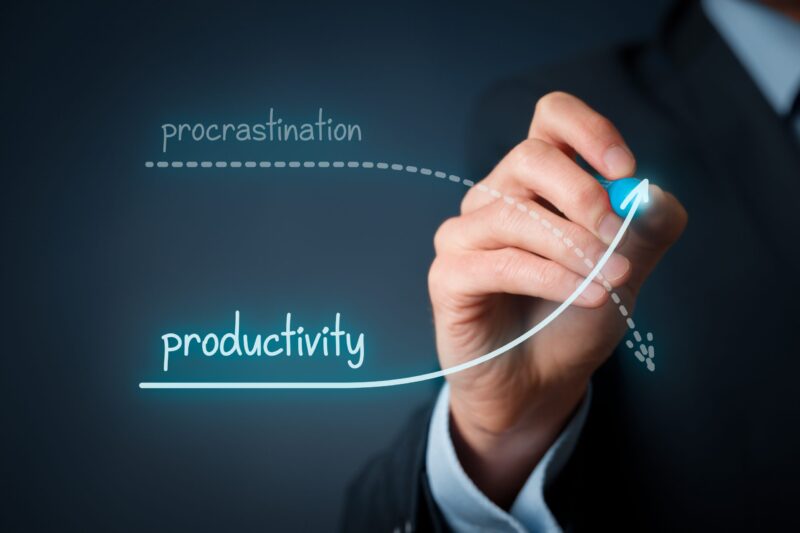
“I find focus difficult. I procrastinate at work and then I get overwhelmed with the list of all the things that have to be done. I put it off, it’s too much, then I get overwhelmed. It gets me down. I stress about it”
“Julie”
Does Julie’s account of procrastination sound familiar to you? We’ve all put off those jobs we don’t want to do, from a report at work to a trip to the tip. But for some of us, delaying tactics are more than simply putting off a job: they’re a self-defeating pattern of behaviour.
Julie (not her real name) is a former client of mine, who came to see me when she realised that procrastination was taking over her life. That’s a tremendous achievement in itself. We worked together to overcome her feelings of being overwhelmed – it can be done.
Find out more about Hypnotherapy for anxiety here. I am also currently offering a free initial consultation you can book here.
What is procrastination?
Let’s start with dispelling a myth: procrastination is not laziness or apathy. Avoiding a task can take just as much energy as actually doing it.
Procrastination is the deliberate avoidance of a task. We find ways to delay action, usually until the last minute or even until it’s too late. Even though there’s a large conscious element to putting off a task, procrastinating can become a habit, and a cycle of negative thoughts and behaviours can develop.
It’s a short-termist approach (avoiding a task we see as unpleasant) with long-ranging consequences (increased anxiety). So why do we continue to procrastinate?
Why do I procrastinate?
There are a few main reasons why we procrastinate. It’s usually related to the task itself. We perceive it as too boring, too difficult or too complex (tax returns, anyone?). The task gets pushed to the bottom of the list, and doing this becomes a habit.
It could also be because we fear that we won’t do a good job. The procrastinator can actually be a perfectionist, who would rather not complete a task than do it and not meet their own high standards.
There is also a state of mind called “decision paralysis”. The sheer amount of decisions modern life creates for us can feel overwhelming, and solutions can be drowned out among all this noise. It feels easier to delay decisions.
You’ve probably heard your colleagues (or you yourself) say “I work better under pressure”. Really? It’s actually more of a justification than a reason, and leads to feelings or stress, guilt and anxiety, as well as a brief sense of triumph and relief when the task is finally completed.
Is there a link between procrastination and anxiety?
Yes, there is, and it creates an unpleasant vicious circle. We may put off a task because we feel anxious about it, or it could even be a phobia (like the dentist). This causes greater anxiety, which makes the task seem even harder. It’s a really draining feeling. As Julie told me:
“I can’t relax with thinking about what needs to be done. It makes work difficult. Also, my home life with admin tasks, for example I still haven’t updated my pension details…”
Putting off a task is hardly giving you quality, relaxing free time, as it’s always there, at the back of your mind. Procrastination is also linked to overthinking (rumination). The overthinking brain is brilliant at making a task seem even harder, and ruminators are often also procrastinators.
What are the effects of procrastination?
Procrastination causes feelings of anxiety and stress. This could take the form of trouble sleeping (which prevents us from emptying our stress buckets), nervous tummies, and general feelings of low mood caused by a background anxiety. A recent study linked procrastination and hypertension.
There can also be additional physical effects: if someone puts off going to the dentist, it will eventually impact on their dental health. Putting off financial decisions or paperwork can lead to bigger problems down the line. Trying to ignore that rattle in your car engine can be disastrous.
Those who claim to like working under pressure talk about feelings of “eustress”, a good stress that causes positive chemical reactions in our brains, related to motivation and reward.
However, deadline-stretching is not a good example of eustress, which should be about positively challenging yourself. I’m not denying that some people may thrive on this added pressure – but most of us don’t. Raised blood pressure, increased anxiety, reduced sleep… Is this really worth the rush of adrenaline you get for burning the midnight oil (again)?
And of course, that last-minute piece of work might not be as good as it could be. Procrastination can impact on our working lives and relationships with our colleagues.
How can I stop procrastinating?
I asked Julie what outcome she wanted. She replied, “I just want to be able to focus on things better and cope with overwhelm. To put some steps in place, to try and change my behaviours a bit.”
Julie highlighted the strategy as well as the outcome: putting steps in place is key to changing our procrastinating tendencies. Start by working out why you’re procrastinating: for example, your journey will be different if you’re struggling with decision-making than if you’re finding your job boring.
A solution-focused therapy will definitely help you break these habits and help you define your future goals (a more peaceful state of mind, improved work outcomes, better sleep, quality free time). Then, you and your therapist can work together to create a programme of steps to help you overcome procrastination.

How can hypnotherapy help me ?
Having a defined set of steps to reach a clear goal will help you overcome procrastination and feelings of overwhelm. By contacting me, you’re already starting to beat procrastination.
See also why can’t I be bothered doing anything?