
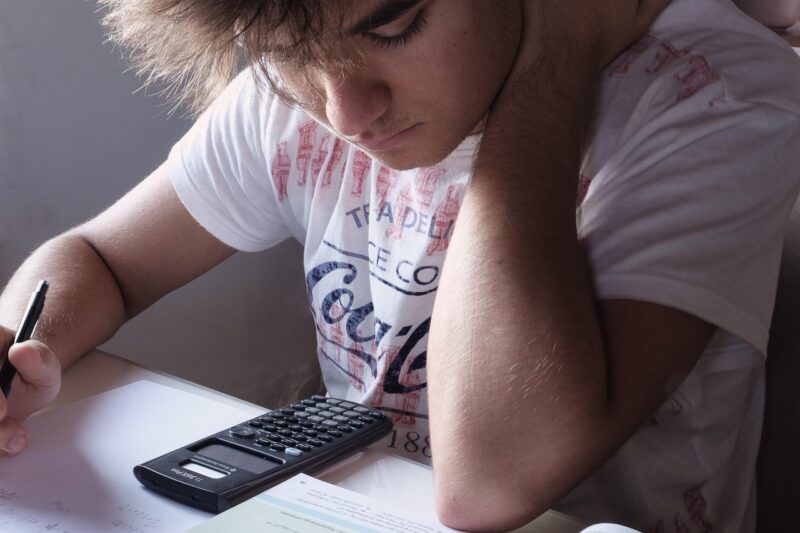
Is your teenager struggling with exam stress? While exam nerves are normal, sometimes these feelings become too overwhelming, leading to stress, anxiety and panic. How can you support your teenager through this tricky time, and what can you do if you suspect they are suffering from exam stress?
Why do exams cause stress?
There’s a lot of pressure associated with exams, especially if they’re ones that lead to qualifications, like GCSEs. This pressure can come from school, from your family (including indirect pressure from successful older siblings) and from the teenager themselves. We also all have a tendency to compare ourselves with our peers and become anxious about competition.
There’s a big fear of the unknown in an exam – nobody knows exactly what they’ll face until they turn the paper over. The whole routine and ritual of the examination hall is alien to many people.
Sitting mock exams can help. “Mocks” are about more than grade predictions – they’re also about gaining familiarity with formal examinations. However, if anyone has had a negative experience of their mocks, from feeling faint to lower-than-expected grades, it can make the actual exams feel even more stressful.
The teenage years are difficult enough, with the stress of physical, emotional and hormonal changes. Exams can easily feel overwhelming, and it’s not unusual to experience stress before and during them, and again while the results are pending.
How do we know if our teenager is experiencing exam stress?
Like adults, all teenagers experience and manifest stress differently. You know your child better than anyone, so you’ll be alert to any changes in behaviour.
Signs of exam stress to look out for could include:
- Irritabilty and mood swings
- Withdrawing from people and hobbies they usually like
- Avoiding revision and any mention of school or exams
- Conversely, studying to the exclusion of everything else
- Changes in appetite
- Changes in sleeping patterns
- Physical stress symptoms such as an upset stomach, nausea or headache
- Negative self-talk (“I’m going to fail”)
- Loss of concentration
- Nervous mannerisms such as fidgeting
What can I do to help my teenager through this stressful time?
This is not an easy time to be a parent. Living with a teenager can feel like walking on eggshells at the best of times! How can you support them without inadvertently upsetting them further? Here are a few pointers for supporting your teenager through their exams.
Stay calm. The last thing an anxious teen needs is second-hand worry from you. Even if you’re churning over inside about how little revision they seem to have done, fretting over it – or heaven forbid, “nagging”! – is usually counterproductive. Hide your own fears and present yourself as a reassuring, calm and consistent presence. You can discuss your own worries about their exams with your friends, adult family, partner or counsellor.
Be present. We all know that teenagers are notoriously reluctant to share their feelings and worries, especially with their parents. However, if they know you’re there for them, not only will they take comfort from that but they might choose to open up to you when and if they feel ready. Being present can be simply watching telly together or taking the dog for a walk. Many parents say that a car journey is the most likely time for their child to speak up, as it’s a low-pressure, zero eye-contact scenario.
Make sure they have everything they need. You can actually absorb some of the stress around exams by helping them with exam logistics. Know the timetable, arrange lifts or other transport (make sure your car is exam-run-ready!) and help them keep on top of equipment such as stationery and uniform. Ensure there are calm and quiet spaces for both study and rest time. As always, be the supplier of healthy snacks, drinks and meals. Be supportive of any downtime activities (while still managing to keep an eye on a balanced use of time…).
If they do talk to you... Listen! Just being heard makes a huge difference to young people’s confidence. Try to avoid adding pressure (they’ll have heard a lot about how important exams are) and never criticise. After an exam, talk about which bits went well rather than dwelling on any possible errors – that is, if they want to talk about it at all, as some people prefer to put an exam behind them and move on. You can discuss how exam nerves are normal – but that if they feel too overwhelmed, you can help them with extra support.
How does hypnotherapy help with exam stress?
Solution focused hypnotherapy is renowned for its success in managing all types of stress, including exam anxiety. We work towards a positive outcome, following simple and achievable steps along the way. We’ll look at coping strategies and relaxation techniques to help with this stressful period.
If you feel – and you know your child best – that their exam worries have become too overwhelming, speak to a professional, such as a GP or counsellor.
Does hypnotherapy help teenagers?
Yes, it can and it does. I have worked with several young clients, and it’s always been a successful and rewarding experience. Hypnotherapy is suitable for children and young people provided they understand what hypnotherapy is and can agree to it. If your teenager is under 16, they’ll need consent from a parent or carer, who’ll also need to attend the sessions with them. I always tailor my therapy sessions for the individual client, so we can look at adjustments such as shorter sessions for younger people.
Find out more about hypnotherapy for children and young people in this helpful blog from the National Hypnotherapy Society.
Hypnotherapy for stress with Great Minds Clinic
If you are concerned that your teenager is experiencing exam stress and think that they would benefit from therapeutic support, please get in touch with me for an informal chat.