
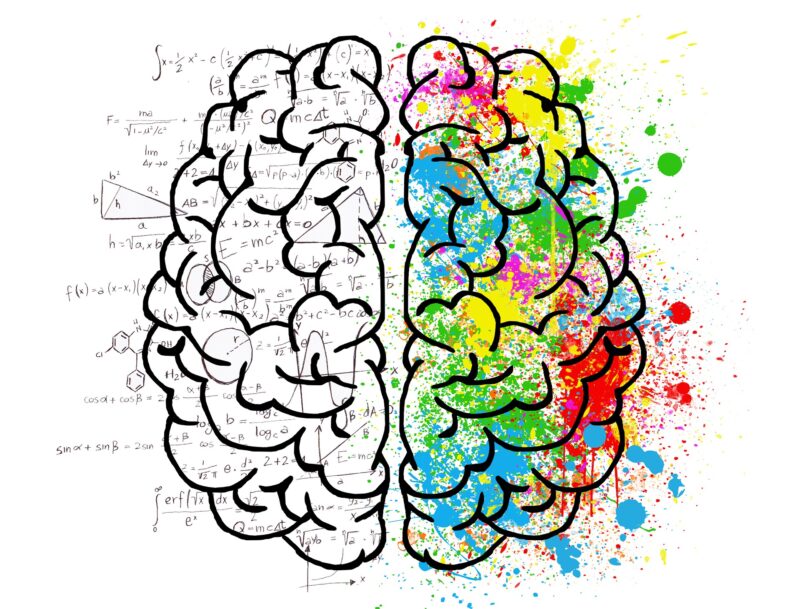
When we think about hypnotherapy we think about lying on a couch, watching a swinging stopwatch. However, modern solution focused hypnotherapy is based upon evidence-based psychotherapy. Probably over half of each session is spent talking with our client, totally separate from any time on the couch, and no swinging watches in sight ! Solution focused brief therapy, combined with neuroscience and hypnosis is combined to offer a therapy which can help with anxiety and all sorts of other mild to moderate psychological issues.
Find out more about Hypnotherapy for anxiety here. I am also currently offering a free initial consultation you can book here.
Neuroscience is education about how the brain works to create anxiety, anger and depression. It is one of the fastest developing methods that therapists are using to help clients. Education offers the first steps to gaining control, and offers an understanding of what can be done about anxiety both in therapy and practically outside of sessions.
Anxiety stems from negative thoughts and worries. If we had a stress bucket, negative forecasting and catastrophising quickly fills it up. The physical reactions we get from anxiety such as increased heart rate, nausea, loss of appetite and sleep problems are due to the brain’s responses to perceived threats.
These threats are sometimes real, but they can also be crafted by our imagination as ‘worse case scenarios’. Interestingly, our brain reacts whether the perceived threat is real or imagined.
Our brain sends a signal to the adrenal glands to produce adrenalin to prepare us to physically fight, flight, or freeze, as if we were dealing with a predator like a lion or a tiger. These responses were crucial to our survival when we were living in primitive history, however they are not particularly helpful in modern day life. It’s not really appropriate to fight our way out of situations, and we can’t just run away, Freezing like a statue doesn’t really solve any problems either!
Safety behaviours don’t help
If we adopt safety behaviours; such as avoidance, it offers an immediate and obvious ‘solution’ but it is not necessarily the best long term answer to solve the problem. In fact, safety behaviours can make the problem worse when repeated over and over.
What helps is to take a new perspective. To adjust the way we think, feel, and behave in situations and environments. Learning how to think in a positive way, act in a positive way and to interact in a positive way helps us to rationalise situations. Come and find out how, you may find ways to manage your anxiety and to find a more peaceful way of living Help with Anxiety